
Clip-In Hair Extensions Clip-in hair extensions offer a temporary way to transform your look with minimal damage. These wefts feature small pressure-sensitive clips sewn along the top edge, allowing you to section your natural hair and snap them in place within minutes. They work best on medium to thick hair that can support the clips without visible bulk. Users often choose clip-ins for special events or to test new lengths before committing to semi-permanent options. Maintenance involves brushing gently to avoid tangles and storing them on a hanger when not in use. Because they sit close to the scalp, they blend naturally with proper color matching. However, active lifestyles may cause slippage during high-impact exercise, so they suit weekend users rather than daily wearers. Cost ranges from $50 for synthetic sets to $300 for premium human hair versions, making them accessible entry points among types of hair extensions.
Tape-In Hair Extensions Tape-in extensions deliver seamless volume through adhesive tabs that sandwich your natural hair between two thin wefts. Installation typically takes two hours at a salon and lasts six to eight weeks before reapplication. They distribute weight evenly, reducing stress on individual strands compared with heavier methods. People with fine or thinning hair benefit most because the flat bonds create undetectable layers. You can wash, blow-dry, and style them like your own hair, though heat protectant remains essential. Drawbacks include sensitivity to oil-based products that weaken the glue and the need for professional removal to prevent residue buildup. Among popular hair extensions types, tape-ins balance longevity and natural movement, ideal for those seeking four to six inches of added length without braids or heat fusion.
Sew-In or Weave Extensions Sew-in extensions, also called weaves, involve braiding your natural hair into cornrows then sewing wefts onto the braids with a curved needle and thread. This method provides strong hold for up to three months and works well on coarse or curly textures that hold braids securely. It adds significant length and thickness while allowing your scalp to breathe between tracks. Athletes and swimmers prefer sew-ins because they stay secure during intense activity. Drawbacks center on the tight braiding process, which can cause traction alopecia if installed too firmly or left in too long. Removal requires professional care to avoid cutting natural hair. Sew-ins rank among durable types of hair extensions for protective styling, especially when you want to grow out damaged ends without daily manipulation.
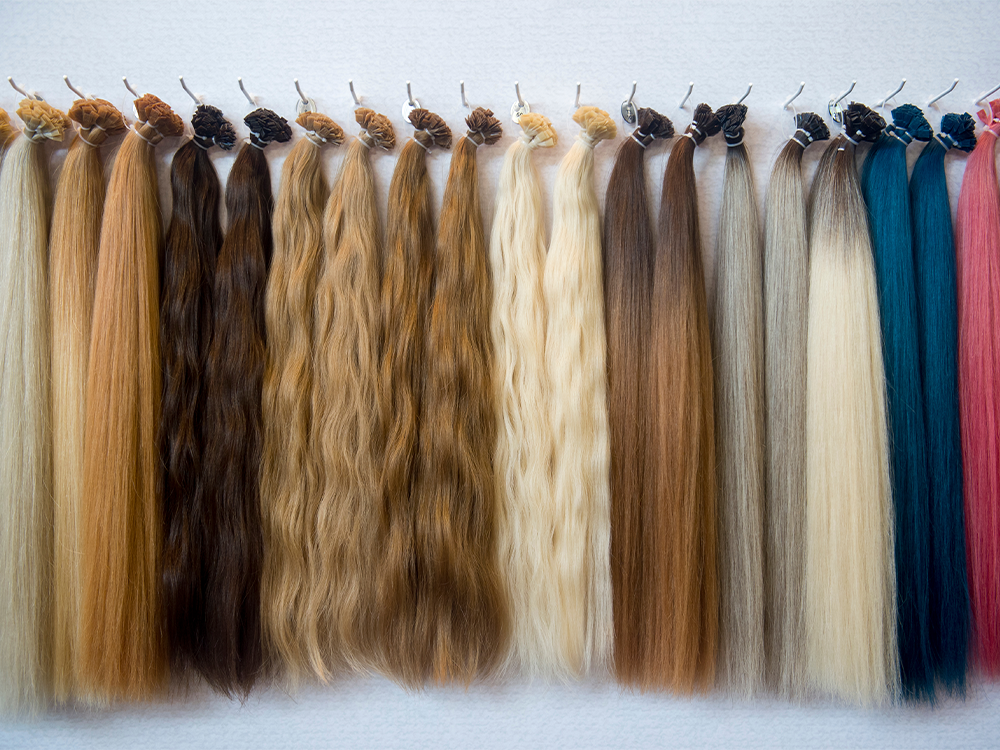
Fusion or Keratin Bond Extensions Fusion extensions attach individual strands via keratin protein bonds melted with a heating tool. Each bond bonds to a small section of your natural hair, creating a virtually undetectable result that lasts four to six months. This technique suits straight or wavy hair and delivers the most natural movement since strands hang freely. Color customization is simple because stylists can match bonds precisely. The process takes four to six hours and demands skilled application to prevent bond slippage. You must keep bonds away from oils and schedule maintenance every six to eight weeks to tighten loosened pieces. Fusion stands out among hair extensions types for long-term wearers who prioritize invisibility over easy removal.
Micro-Ring or Bead Extensions Micro-ring extensions loop small silicone-lined beads around your natural hair and thread extension strands through them, then clamp the beads shut. No heat or glue is involved, making them a gentler choice for chemically treated hair. They last three to four months with proper care and allow full styling freedom, including ponytails and updos. Fine-haired individuals appreciate the lightweight feel, yet those with very thin hair may see beads through the strands. Reapplication involves opening the rings and repositioning them closer to the scalp as hair grows. This method ranks high for reusability because the same wefts can be applied multiple times.
Halo Extensions Halo extensions sit on a thin wire or headband that rests on your crown, with hair cascading around it. No clips, tape, or braids touch your natural strands, eliminating all risk of damage. They provide instant length and volume in under five minutes and work for any hair density. Users with sensitive scalps or those avoiding adhesives choose halos for occasional wear. Limitations include visibility of the wire during certain styles and less security during vigorous movement. They serve as an excellent starter among types of hair extensions when testing color or length.
Choosing the Right Type for You Your hair texture, desired duration, budget, and maintenance tolerance determine the best match. Fine hair benefits from tape-ins or micro-rings that avoid heavy clips. Thick or coarse hair handles sew-ins and fusion comfortably. Temporary needs point to clip-ins or halos, while multi-month results favor tape-ins or keratin bonds. Budget under $150 favors clip-ins; investments above $800 suit fusion or sew-ins installed professionally. Lifestyle factors such as swimming or workouts favor sew-ins, while office professionals often select tape-ins for their polish. Consult a stylist for a strand test and color match to ensure seamless blending and long-term hair health.