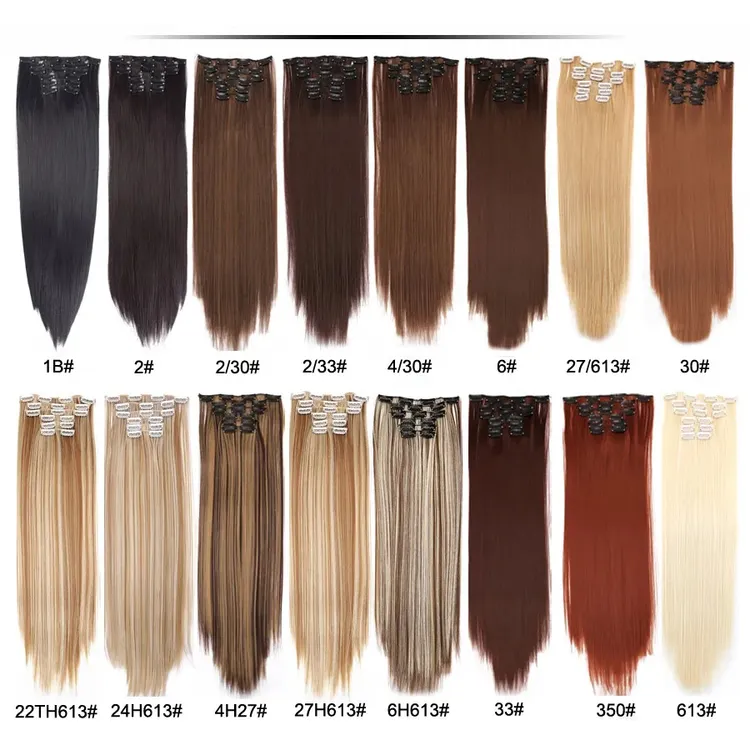
Selecting the perfect base color for your hair piece starts with analyzing your natural hair’s root shade and undertones. Cool undertones suit ash browns and jet blacks while warm undertones pair best with honey blondes and chestnut hues. In 2024 dimensional coloring dominates recommendations because single-tone pieces appear flat under natural light. Root smudging techniques add depth by darkening the base one to two shades which prevents visible lines at the scalp.
Matching Undertones for Seamless Blends
Skin tone dictates the most flattering hair piece colors. Fair complexions benefit from cool beige blondes or light ash browns that avoid orange casts. Medium skin tones thrive with golden caramel or rich mocha shades that enhance warmth without clashing. Deeper skin tones look natural in espresso browns or soft black hues featuring subtle blue undertones. Always test swatches against your jawline in daylight to confirm harmony.
Trending Shades
This year muted brunettes lead popularity charts for their versatility across ages and genders. Soft mushroom browns deliver low-maintenance natural movement while espresso with subtle highlights mimics sun-kissed growth. For lighter preferences sandy beige blondes with face-framing money pieces create lift and brightness. Red tones stay subtle through copper-infused auburns that blend with freckled skin. Avoid stark platinum unless paired with heavy root shadowing for realism.
Incorporating Highlights and Lowlights
Layered color placement elevates realism in hair pieces. Place lighter highlights around the crown and temples to replicate natural light reflection. Add lowlights along the sides and back to ground the overall tone. 2024 stylists favor micro-weaving of three to four shades within one piece rather than broad streaks. This method prevents the helmet effect common in older uniform coloring. Select pieces with pre-installed balayage for effortless application.
Factors Influencing Color Longevity
Heat styling and sun exposure fade hair piece colors faster than natural hair. Opt for UV-protectant sprays and color-depositing conditioners every fourth wash. Synthetic fibers require gentler handling while human hair accepts professional dyes more readily. Schedule touch-ups every six to eight weeks when wearing daily. Store pieces away from direct light to preserve vibrancy.
Application Techniques for Natural Appearance
Part placement matters when installing hair pieces. Follow your natural growth pattern rather than forcing a center part on an off-center cowlick. Use lace fronts with transparent knots for invisible hairlines. Blend edges with a small amount of foundation matching your scalp tone. Tease the underside lightly before securing to create volume that hides attachment points.
Maintenance Routines
Wash hair pieces no more than twice weekly using sulfate-free formulas designed for extensions. Air drying preserves cuticle integrity better than blow dryers. Store on mannequin heads with adjustable straps to maintain shape. Rotate between two pieces to extend each unit’s lifespan. Professional cleaning services restore color and remove buildup that dulls appearance.
Common Mistakes to Avoid
Choosing colors two shades lighter than natural hair creates an obvious mismatch. Ignoring undertones results in greenish or brassy casts under artificial lighting. Over-processing with bleach weakens fibers and shortens wear time. Skipping patch tests before dyeing risks allergic reactions. Buying cheap pieces often sacrifices color accuracy and blend quality.
Customization Options
Many 2024 collections offer custom coloring services based on client photos. Send multiple images taken in varied lighting for accurate matching. Request root gradients or scattered grays to match mature hair patterns. Hand-painted pieces cost more yet deliver superior movement and realism compared to machine-dyed alternatives.
Budget Considerations
Mid-range human hair pieces in trending shades range from four hundred to eight hundred dollars with custom work adding two hundred more. Synthetic options start at one hundred fifty dollars but limit styling versatility. Factor in maintenance products and occasional professional servicing when calculating long-term costs. Investing in quality upfront reduces replacement frequency.
Final Selection Checklist
Verify fiber type matches lifestyle demands. Confirm multiple shade options before purchase. Review return policies for color dissatisfaction. Test under both indoor and outdoor lighting. Consult color charts from reputable manufacturers known for consistent dyeing.