
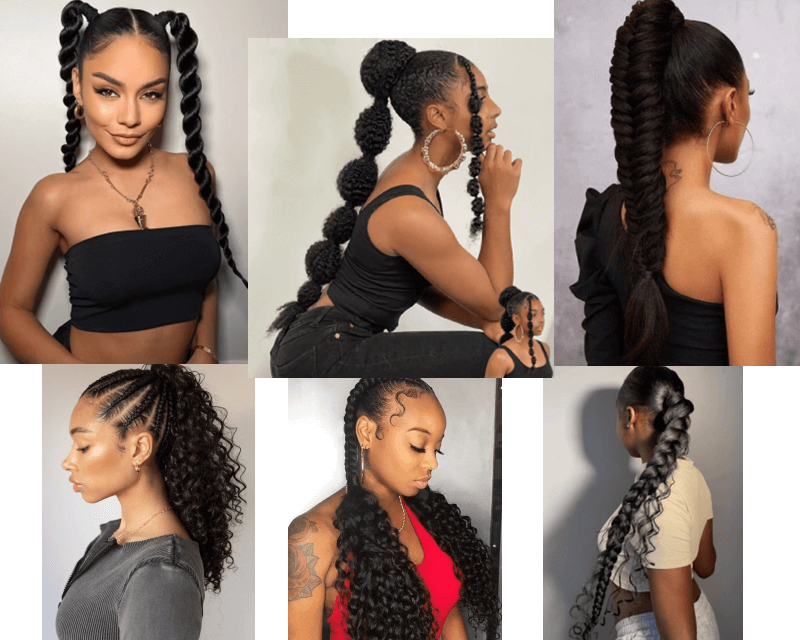
Lace front hair pieces deliver versatile styling options with a transparent base that creates an undetectable hairline when applied correctly. The sheer lace allows individual hairs to be knotted by hand, enabling natural movement and multiple parting directions. Opt for light to medium density in these pieces to avoid a bulky appearance, especially around thinning temples or crowns. Match undertones precisely by examining roots under natural light, incorporating subtle grays or lowlights for authenticity.
Monofilament Hair Toppers for Crown Coverage
Monofilament bases simulate scalp skin through a fine mesh where each strand is individually ventilated. This construction permits air circulation and realistic scalp visibility, ideal for women experiencing diffuse thinning. Choose 100 percent human hair versions for heat styling flexibility up to 180 degrees Celsius without melting synthetic fibers. Layered styles with face-framing pieces soften features while blending into existing hair. Position the topper slightly forward of the natural crown to maximize coverage and prevent visible edges during wind or movement.
Hand-Tied Toupees for Men Seeking Seamless Integration
Hand-tied toupees use ultra-fine knots on silk or poly bases that mimic skin texture closely. These styles excel in short, textured crops or side-parted looks that replicate male pattern growth directions. Select bases with reinforced edges for durability during daily wear and activity. Incorporate graduated lengths from 1 to 3 inches to achieve natural taper at the sides. Color matching involves testing multiple swatches against sideburns and nape hair under varied lighting conditions to eliminate any demarcation lines.
Curly and Wavy Hair Piece Variations
Curly hair piece styles add volume and texture that disguises attachment points effectively. Select pieces with irregular curl patterns rather than uniform spirals to imitate organic growth. For wavy options, beachy textures in shoulder-length cuts provide movement that distracts from base lines. Apply lightweight leave-in conditioners sparingly to maintain bounce without weighing strands down or causing shine inconsistencies. These styles suit both genders when density is calibrated to 80-120 percent of natural hair for balanced integration.
Straight Long Hair Piece Designs
Long straight hair pieces require precise layering to prevent a helmet-like silhouette. Incorporate subtle face-framing angles and internal texturizing to promote natural fall. Silk top constructions in these lengths enhance scalp realism while allowing middle or side parts. Ensure the hair cuticle alignment points downward for consistent light reflection matching biological hair. Regular trims every six weeks maintain shape and prevent split ends that reveal synthetic origins in blended wear.
Factors Enhancing Natural Appearance Across Styles
Base material selection impacts realism more than length or color alone. Full lace options offer maximum breathability for active lifestyles, whereas hybrid skin-lace combinations provide stronger hold for oily scalps. Density gradients from front to back replicate typical hair distribution patterns, reducing the flat appearance common in uniform pieces. Professional color services using root smudging techniques further elevate integration. Proper ventilation and knot bleaching on lighter shades eliminate dark spots at the base that betray artificial construction.
Attachment Methods Supporting Undetectable Wear
Clip-in systems work best for temporary toppers on existing hair with sufficient density for anchoring. Tape or liquid adhesives create longer-lasting bonds on shaved areas for toupees, requiring skin-safe removers to avoid irritation. Full cap wigs with adjustable straps accommodate fluctuating head sizes without slippage. Daily removal routines prevent bacterial buildup and extend fiber life when combined with sulfate-free shampoos designed for extensions.
Color and Texture Blending Techniques
Rooted shades with 1-2 inch darker bases at the part line produce depth similar to regrowth. Multi-tonal highlights distributed unevenly avoid stripe effects. Texture matching involves selecting pieces with slight coarseness variations throughout rather than consistent silkiness. Heat protectant sprays preserve integrity during styling while matte powders reduce artificial sheen on crown areas.